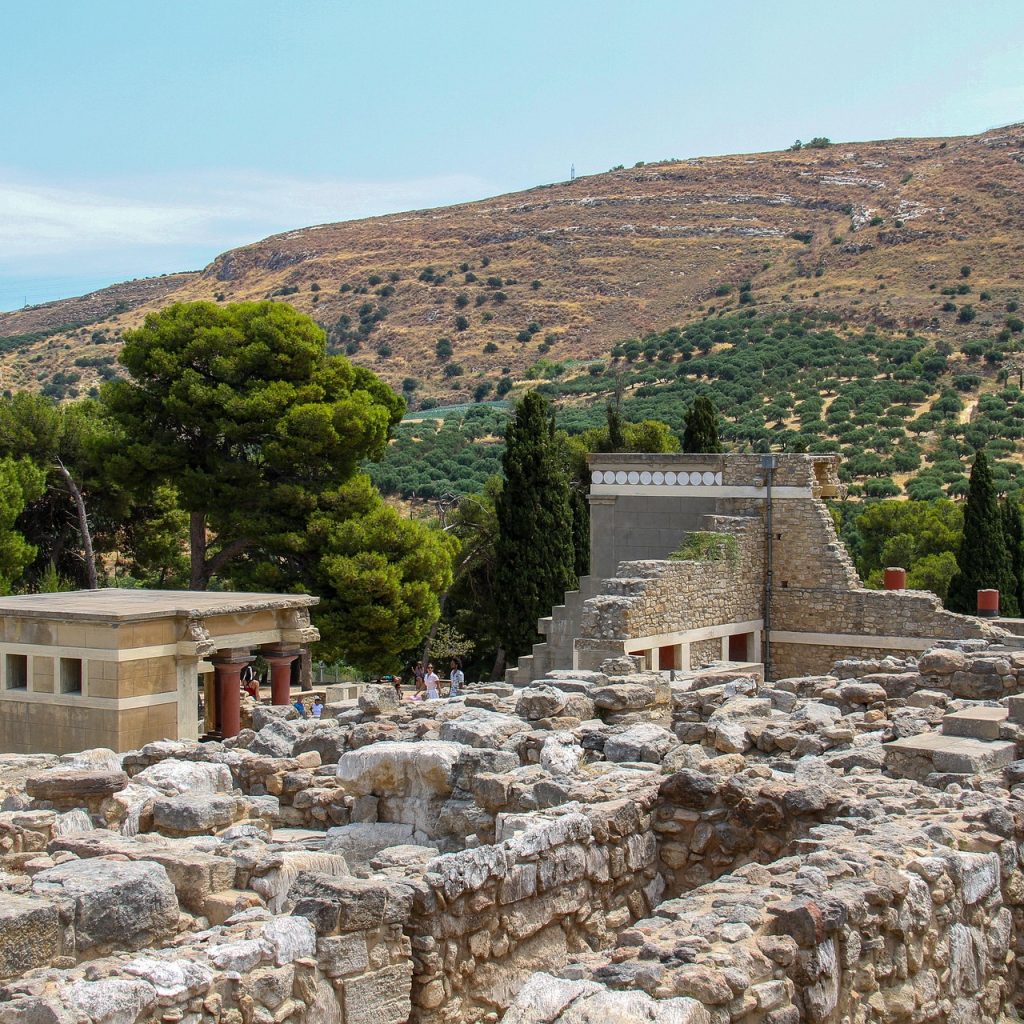
Knossos is not just an ordinary archaeological site; it is widely recognized as Europe’s oldest city. By purchasing a ticket, you are stepping onto the very grounds where Western civilization began to take shape. Walking through the remains of this massive complex allows you to connect with over 4,000 years of human history, offering a profound sense of wonder that few other places on Earth can match.
This site was the grand capital of the Minoans, a remarkably advanced Bronze Age civilization that flourished long before the Golden Age of Athens. The Palace of Knossos was the political, religious, and economic heart of their empire. Seeing their sophisticated architectural designs up close reveals just how ahead of their time these people truly were.
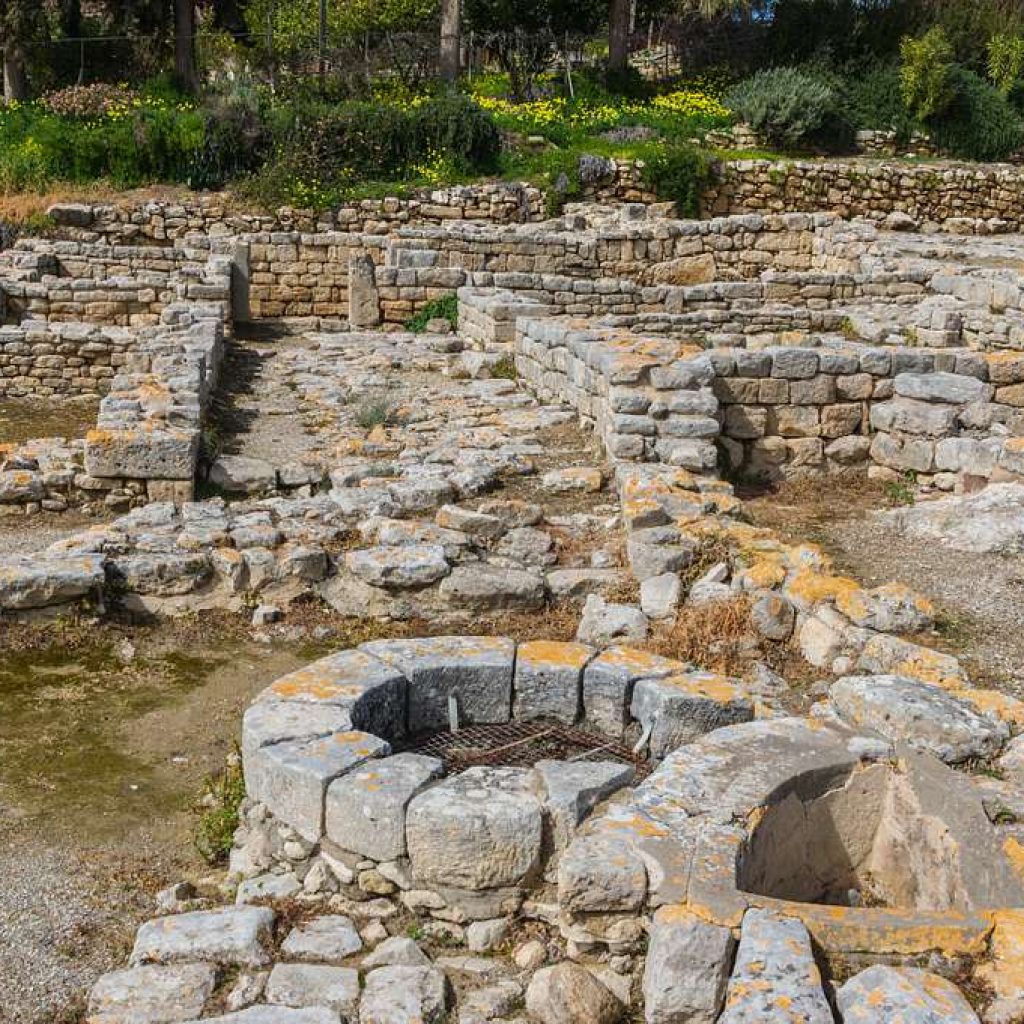
Long before modern plumbing and urban planning, the Minoans had it all figured out. At Knossos, you will witness the remnants of a breathtaking four-story palace equipped with complex drainage systems, flushing toilets, and lightwells that perfectly illuminated the royal chambers. It is a masterclass in ancient engineering that will leave you questioning how they achieved such luxury millennia ago.
If you love Greek mythology, Knossos is the ultimate pilgrimage. This is the legendary home of King Minos and the mythical birthplace of the terrifying Minotaur. As you explore the palace's intricate, maze-like layout, you will easily understand why the ancient Greeks believed a labyrinth was hidden beneath its floors to keep the beast trapped.
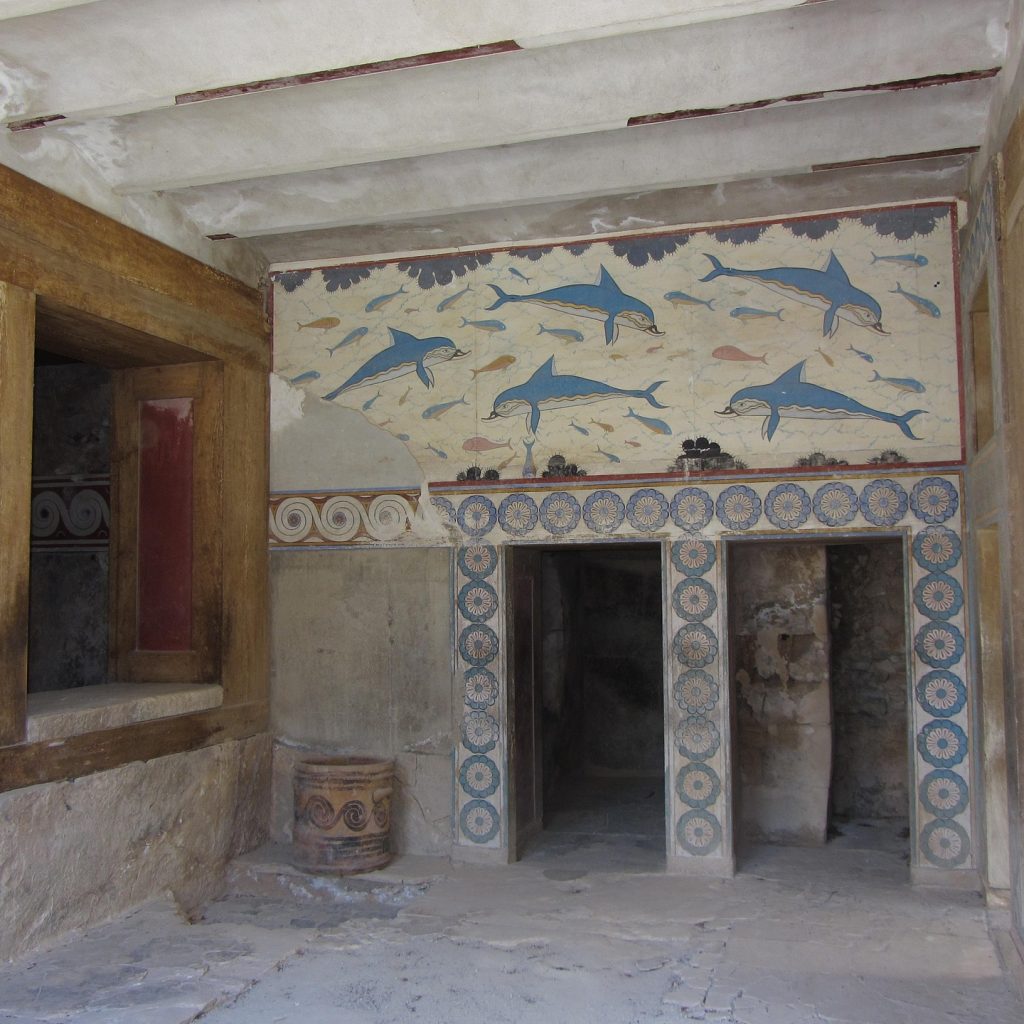
The Minoans were artists who celebrated life, nature, and peace rather than just war. The walls of Knossos are adorned with stunning, vivid frescoes depicting playful dolphins, majestic bulls, and elegant citizens. Even though many are careful restorations, seeing these bright colors and expressive artworks in their original context brings the joyful spirit of the Minoan people back to life.
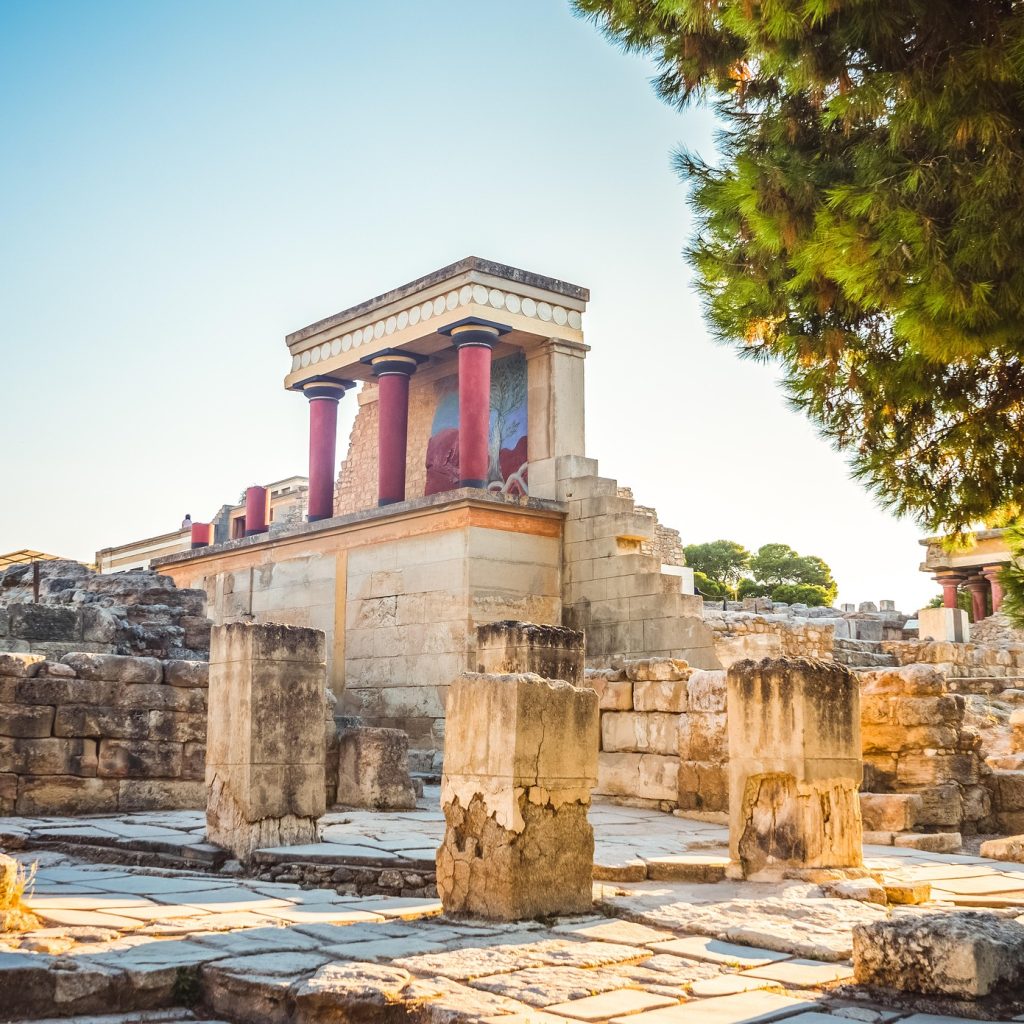
What makes Knossos completely unique compared to other ruins is its bold restoration by archaeologist Sir Arthur Evans in the early 20th century. Instead of just looking at flat foundations, you will see reconstructed red columns, grand staircases, and vivid rooms that give you a concrete, three-dimensional feel of palace life. Buying a ticket here guarantees an immersive journey into the past that you simply cannot get from a textbook.
Tourists often look around the ruins trying to find the entrance to the famous maze where the Minotaur was kept. Was it a real place?
Not in the way the myths describe! Archaeologists haven't found a literal underground maze. However, the Palace of Knossos itself was the Labyrinth. It was so massive—featuring over 1,300 interconnected rooms, winding corridors, and multiple stories—that any outsider entering the palace would have become hopelessly lost. Furthermore, the symbol of the Minoans was the double-headed axe, called a labrys. Therefore, "Labyrinth" literally translates to "The House of the Double Axe."
Unlike the heavily fortified castles of medieval Europe or the thick walls of Mycenae, Knossos is completely open. Weren't they afraid of invaders?
The Minoans had a unique superpower: "Thalassocracy," meaning rule of the sea. They possessed the most powerful naval fleet in the ancient Mediterranean, which acted as an invisible wooden wall around Crete. They were so confident in their naval supremacy that they felt absolutely no need to build stone fortifications around their cities. Their defense was their navy, allowing their architecture to focus purely on beauty, light, and luxury.
The famous "Bull-Leaping Fresco" at Knossos shows people doing acrobatics over a massive bull. Was this a real sport or just artistic fantasy?
It was highly likely a real, incredibly dangerous ritual! Known as taurokathapsia, this was not like a Spanish bullfight where the animal is killed. Instead, young men and women would sprint toward a charging bull, grab it by the horns, and use the momentum of the bull's tossed head to somersault over its back, landing gracefully behind it. It was a sacred rite of passage that tested bravery, agility, and devotion to the bull, which they worshiped as a symbol of the earth's raw power.